
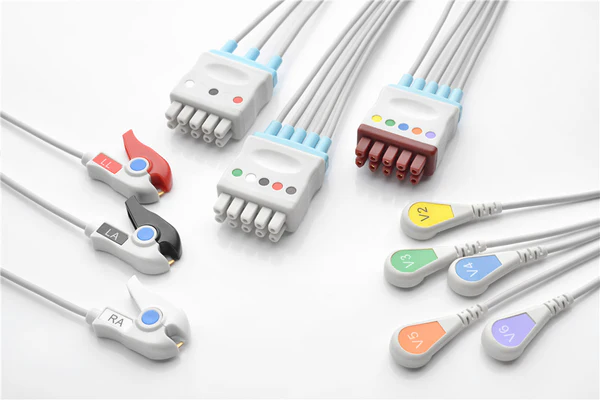
In medical devices like ECG lead wires, biocompatibility is a critical factor, especially when it comes to components like snap connectors. These connectors come into direct contact with the patient’s skin, making it essential to ensure that they are safe, non-reactive, and cause no harm over prolonged use. Biocompatibility not only ensures patient safety but also influences the longevity and performance of ECG lead wires. Brands like Unimed focus on using high-quality materials to ensure their ECG cables, including Philips ECG cables, meet rigorous safety and compatibility standards.
The Role of Snap Connectors in ECG Lead Wires
Snap connectors play an important role in ensuring that ECG lead wires stay securely attached to the patient during monitoring. These connectors must be made from materials that are not only durable but also biocompatible to prevent any adverse skin reactions. The challenge lies in selecting materials that resist corrosion, wear, and degradation over time while maintaining patient comfort and safety. Unimed’s ECG lead wires, including those designed for Philips ECG machines, are built to handle these concerns, offering snap connectors that are both reliable and safe for extended use.
Key Factors in Managing Biocompatibility
Managing biocompatibility involves selecting the right materials and ensuring that they meet international standards for medical use. Materials used in the snap connectors of ECG lead wires should be hypoallergenic, non-toxic, and resistant to environmental factors like moisture or heat. By using materials such as medical-grade silicone or specific polymers, manufacturers like Unimed ensure that their Philips ECG cables offer optimal performance without compromising patient safety. This careful material selection ensures that healthcare providers can rely on these products without concerns about patient reactions.
Conclusion
In the healthcare industry, the biocompatibility of ECG lead wires, especially their snap connectors, is essential for ensuring patient safety and the reliability of the equipment. With the right materials and design considerations, brands like Unimed provide ECG cables, including Philips ECG cables, that meet the necessary standards for biocompatibility and durability. Investing in high-quality lead wires is not only a smart choice for patient safety but also contributes to the long-term performance and efficiency of ECG monitoring systems.