
When drivers wonder “Will an EV stop charging when full?”, the answer lies in how modern systems control battery protection. Most electric vehicles are designed to reduce charging power as the battery approaches full capacity. This process avoids unnecessary stress on the battery and ensures safe operation. When discussing available solutions, Atess designs equipment that supports this behavior by working with the EV’s onboard system rather than forcing a fixed pattern. Their products integrate naturally with residential ev charging stations, allowing the battery management system of each vehicle to regulate charging progress from start to finish.
Why Home Charging Behavior Matters
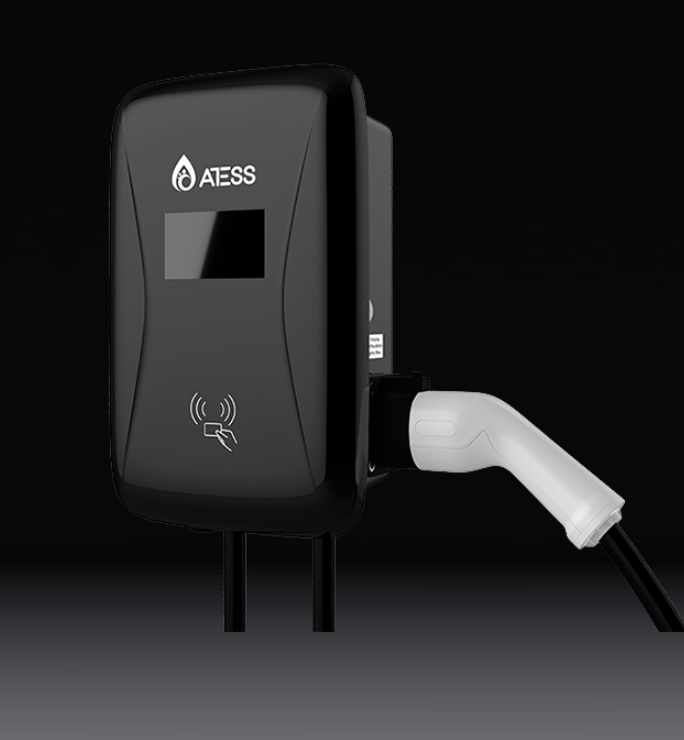
For many homeowners, understanding how charging stops at full capacity helps them better plan daily use. An electric car charger for home typically follows the EV’s own commands, meaning charging halts automatically once the vehicle signals completion. This reduces the risk of overcharging even during overnight sessions. As part of the broader category of residential ev charging stations, Atess’ AC EV Charging Station lineup, including the NOVO EVA-07/11/22S-P/S, is built to operate in this coordinated manner. These units offer plug or socket types, IP65 ingress protection suited for outdoor environments, and digital intrusion prevention using WSS communication. Their compact A4-sized structure fits neatly into residential spaces while offering reliable support for daily charging routines.
Product Features Supporting Safe Full-Charge Behavior
Although the EV ultimately decides when to stop charging, the supporting equipment still influences the user experience. Atess provides features such as solar charging capabilities that allow a vehicle to be powered directly by the sun when available. Their chargers are designed for quick installation—often achievable in about 15 minutes—and include dynamic load balancing to distribute energy intelligently within the household. These elements help residential ev charging stations operate smoothly while maintaining predictable interaction with an EV’s protective full-charge logic. In a similar way, an electric car charger for home benefits from the stability and certifications that Atess has accumulated across different markets.
Conclusion
While the full-charge process is ultimately controlled by the vehicle’s own battery management system, users can rely on consistent behavior when using equipment from Atess. Their solutions work in harmony with residential ev charging stations and support the vehicle’s charging requirements once it reaches the intended charge level.When choosing an electric car charger for home, this coordination helps ensure the daily charging routine remains straightforward, safe, and aligned with the way modern EVs are designed to manage their energy needs.