
Introduction: Choosing the Right Sports LED Screen Format for the Venue
A sports led screen can be a main arena videoboard, transparent façade display, mobile event wall, courtside advertising board, or portable results display. The right format depends on sightlines, daylight visibility, scoring or timing needs, sponsor inventory, setup model, maintenance access, and control workflow.
This guide compares five practical formats for US stadiums, arenas, schools, sports bars, fan zones, and event venues, with best-fit uses and buyer checks.
Quick Comparison of the 5 Best Sports LED Screen Formats
| Rank | Sports LED screen format | Best for | Source-backed strength | Main buyer check |
| #1 | Center-Hung LED Videoboard and Scoreboard Systems | Major arena bowls and primary game presentation | Score data can be sent to LED video displays through scoreboard-output workflows. | Structural engineering, control-room workflow, scoring integration. |
| #2 | YES TECH MT II Transparent Screen | Transparent façades, plaza displays, staging, and creative arena builds | 50% transparency, H3.9–V7.8 platform, 7680Hz refresh rate, flexible shape options. | Rigging, control, power, service access, US code requirements. |
| #3 | Mobile LED Trailers and Modular Event Walls | Fan zones, watch parties, tournaments, temporary expansion | Outdoor trailers, modular walls, live feeds, leaderboards, replays, schedules, support services. | Service area, weather limits, power, audio, feed routing. |
| #4 | Perimeter and Courtside LED Advertising Boards | Field-level sponsorship and game-side messaging | P6.67 format lists 6.67 mm pitch, ≥6000 cd/m² brightness, ≥3840Hz refresh. | Padding, safety rules, mounting, league and venue compliance. |
| #5 | Portable Results and Auxiliary LED Display Boards | Track, field, road races, secondary scoring zones | P5 boards, DVI input, timing-software mirroring, 2 m × 1 m size, up to 6,500 nits. | Timing software, viewing distance, power, weather exposure. |
How We Evaluated Sports LED Screen Formats
We compared venue fit, visual performance, sports-content support, installation model, maintenance needs, and US event relevance. Placement mattered because a bowl, plaza, sideline, fan zone, or timing area creates different sightline and safety demands.
The assessment considered published specifications, manuals, product pages, project notes, and provider service descriptions. Priority went to formats with documented scoring, live feeds, replays, timing data, sponsor loops, schedules, or event workflows.
Operations also mattered. Rigging, ventilation, mobile deployment, cabinet access, setup speed, weather exposure, and control compatibility all affect game-day reliability.
#1 Center-Hung LED Videoboard and Scoreboard Systems | Best for Major Arena Bowls
Center-hung videoboards rank first because they often serve as the main visual anchor for indoor arenas. They support scoring, replay, sponsor inventory, prompts, and event presentation from a central location.
Daktronics All Sport Pro documentation describes login, game setup, scoreboard-output configuration, rules profiles, brightness controls for outdoor sports, and score data output to video displays. State Farm Arena’s 360-degree center-hung example also shows the format’s role in full-bowl presentation.
Best primary-bowl format for venues that need one dominant display system. The trade-off is complexity: structure, rigging, control room, replay, production switching, content formats, and training must be planned together.
Watch for: Engineering review, suspended load limits, scoring-controller compatibility, production workflow, and service access.
#2 YES TECH MT II Transparent Screen | Best for Transparent Arena Façades and Flexible Event Builds
YES TECH MT II Transparent Screen ranks second because it fits sports-event environments where transparency, creative staging, or façade-style design matters more than conventional scoreboard replacement. YES TECH positions MT II for rental, staging, and live events.
MT II uses an H3.9–V7.8 pixel pitch platform with 50% transparency, 1000 × 500 × 83 mm cabinets, a compact half-size option, and a documented 20 m hanging height. It supports straight layouts, 90-degree corners, and 15-degree concave or convex curves, with a 7680Hz refresh rate.
Best creative transparent format for arena entrances, plaza displays, fan-experience builds, and sports-event production. It ranks behind center-hung systems because it is better framed as a transparent event-display format than as a full scoreboard substitute.
Watch for: Project-specific rigging, control system, power distribution, weather exposure, maintenance access, and US code requirements.
#3 Mobile LED Trailers and Modular Event Walls | Best for Fan Zones and Temporary Sports Events
Mobile LED trailers and modular event walls rank third because they add screen capacity without permanent construction. They suit watch parties, tailgates, youth tournaments, golf events, sponsor activations, and temporary venue expansion.
Showtime LED documents five mobile LED trailers in Kansas City, custom indoor and outdoor modular walls, and a 150-mile delivery radius. Its sports use cases include live feeds, scoring, leaderboards, replays, schedules, athlete introductions, sponsor inventory, delivery, setup, testing, support, and breakdown.
Best temporary deployment format when flexibility matters more than fixed infrastructure. The limitation is event-specific planning, especially for weather, placement, power, signal routing, and crew roles.
Watch for: Service area, wind and weather limits, generator or shore power, audio, permits, feed routing, and setup time.
#4 Perimeter and Courtside LED Advertising Boards | Best for Field-Level Sponsorship and Game-Side Messaging
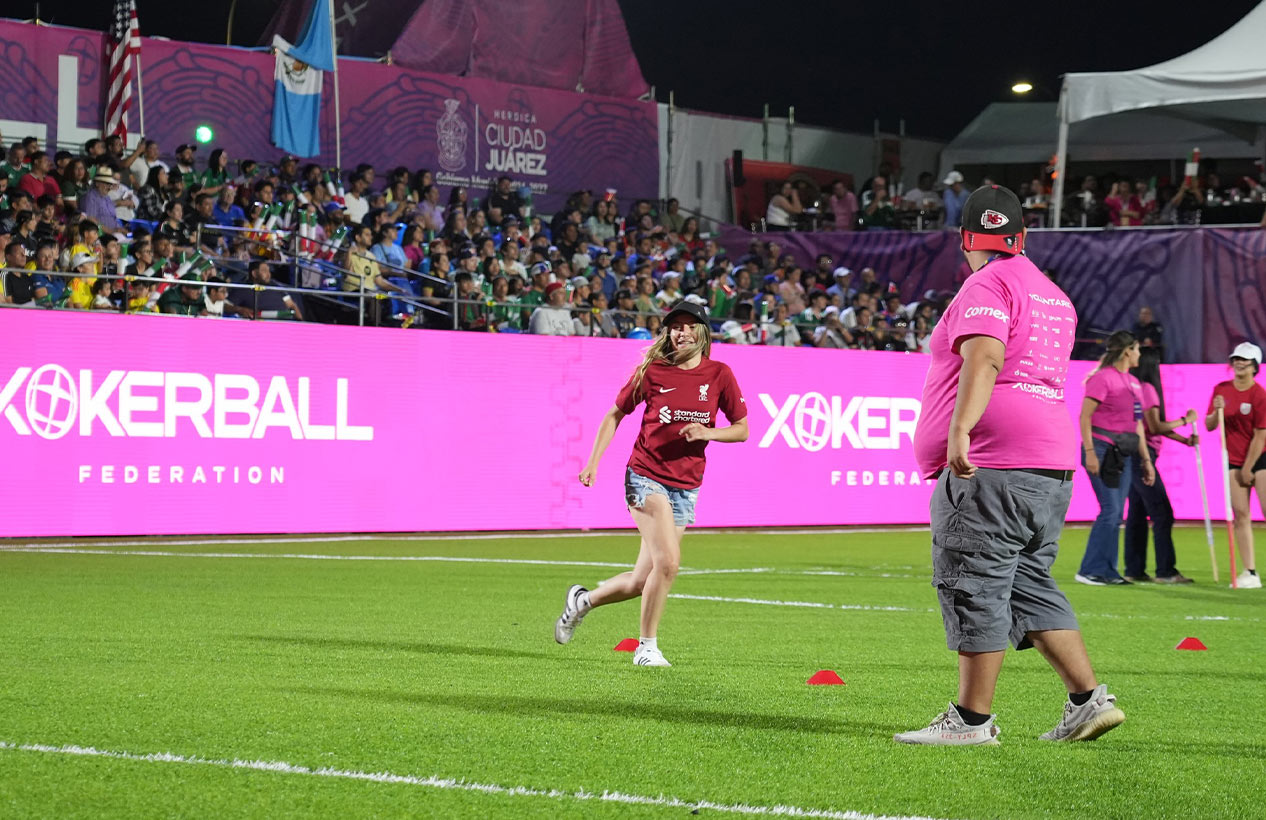
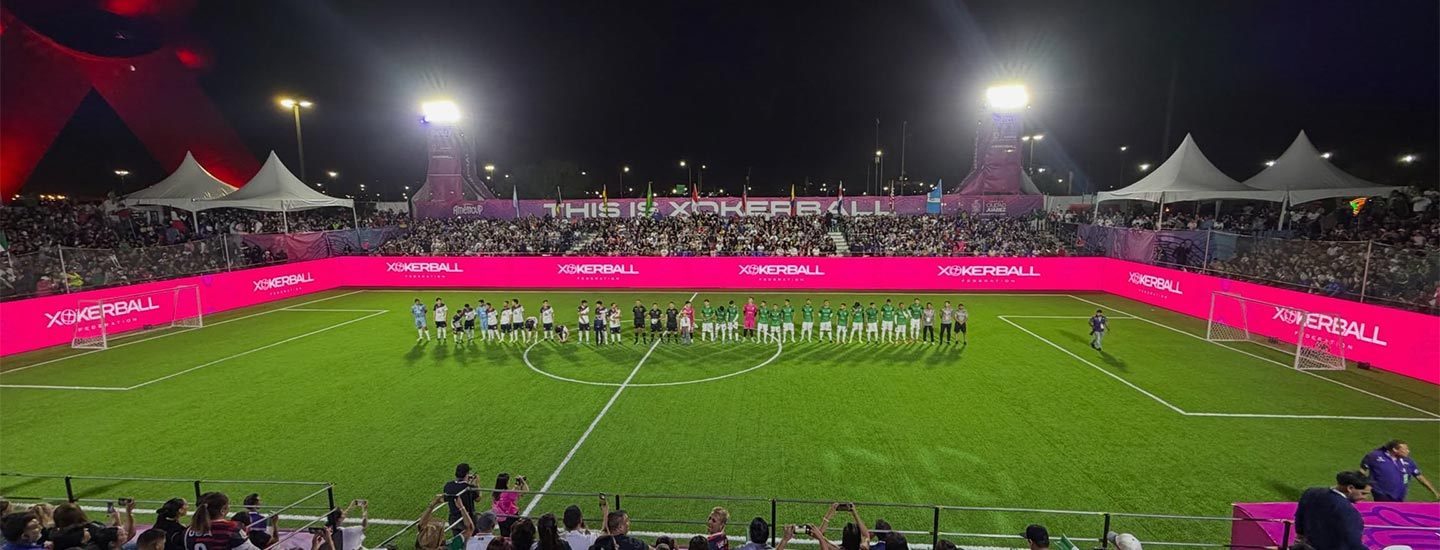
Perimeter and courtside LED boards rank fourth because they solve a narrower sports problem: rotating sponsor and score-adjacent messaging at field or court level. They are relevant for soccer fields, basketball courts, and sponsor-heavy venues.
A P6.67 outdoor stadium display specification lists applicability to stadium perimeter advertising screens, courtside display panels, and outdoor fixed installations. Documented specifications include 6.67 mm pixel pitch, SMD3535 LED lamps, 960 × 960 mm die-cast aluminum cabinets, ≥6000 cd/m² brightness, ≥3840Hz refresh, NovaStar control, and IP65/IP54 protection.
Best sideline sponsorship format for close-to-action visibility. It ranks below broader display formats because it is not designed to replace a main replay or full-venue presentation board.
Watch for: Impact padding, athlete safety, viewing angles, mounting method, weather rating, control integration, and league rules.
#5 Portable Results and Auxiliary LED Display Boards | Best for Track, Field, and Secondary Scoring
Portable results and auxiliary boards rank fifth because they are highly practical for specific sports operations. Track, field, cross-country, road races, school athletics, and secondary scoring zones often need readable results without a full stadium videoboard.
Finished Results documents P5 LED display boards for track, field, and cross-country timing. The brochure lists a 2 m × 1 m size, 384 × 192 px resolution, up to 6,500 nits brightness, 71 lb weight, DVI input, DVI-to-HDMI cable, NovaStar LED controller, Neutrik power cords, and flight case.
Best timing and results format for portable event operations. It ranks fifth because its venue impact is narrower, even though its timing-software mirroring and travel-ready format are useful.
Watch for: Timing software, DVI or HDMI output, generator or outlet access, viewing distance, weather exposure, and content layout.
Frequently Asked Questions About Sports LED Screens
What is the best sports LED screen format for a stadium or arena?
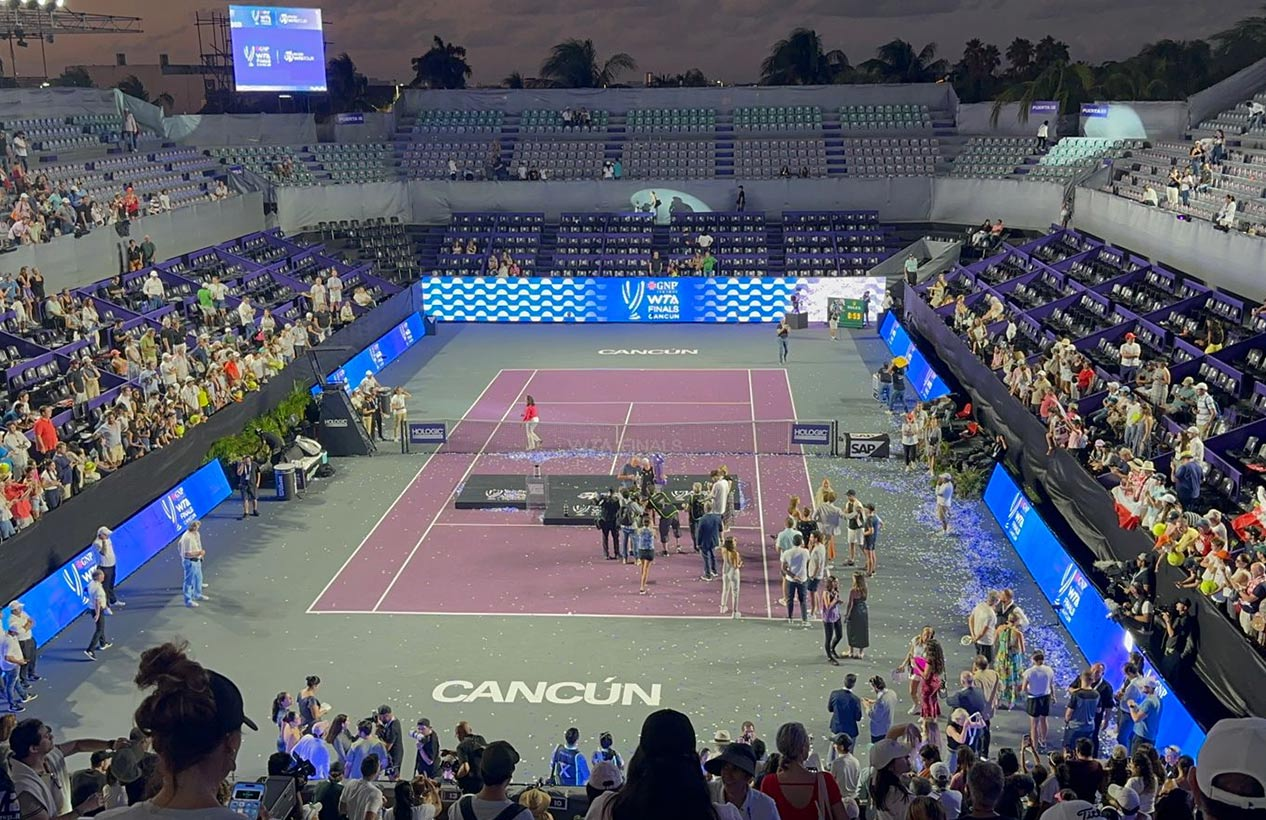
Main arena bowls usually need a primary videoboard or scoreboard system. Sidelines benefit from perimeter or courtside LED boards, while fan zones and temporary events may be better served by mobile LED trailers or modular walls.
Transparent LED can fit façades, plazas, entrances, and production designs. Confirm layout, sightlines, content goals, structure, control workflow, and budget before selecting.
How bright should an outdoor sports LED screen be?
Outdoor sports LED screens generally need high brightness for daytime readability. Documented examples include ≥6000 cd/m² for a P6.67 stadium-display specification and 7,500 nits for rental/event use.
Final brightness should match sun exposure, viewing distance, operating schedule, content type, dimming needs, and manufacturer guidance.
Are mobile LED trailers suitable for sports events?
Yes, especially for watch parties, tournaments, fan zones, golf events, and temporary viewing areas. They can support live feeds, scoring, schedules, sponsor content, and replays when the provider’s workflow supports those inputs.
Treat them as temporary event infrastructure, not as a replacement for engineered permanent displays.
 Final Takeaway: Match the LED Screen Format to the Sports Experience
No single sports LED screen format fits every US stadium, arena, or event venue. The ranking favors broad venue impact, documented sports relevance, operational flexibility, and clear technical evidence.
Choose center-hung video boards for primary arena presentation, YES TECH MT II Transparent Screen for transparent and flexible creative builds, mobile trailers or modular walls for temporary fan zones, perimeter boards for sponsor-heavy sidelines, and portable results boards for track, field, and auxiliary scoring.
Before procurement, validate structure, brightness, refresh rate, control compatibility, service access, safety rules, and local code. Evaluate YES TECH MT II when the project calls for transparent LED staging, façade-style displays, or flexible fan-experience design rather than a scoreboard-only solution.