
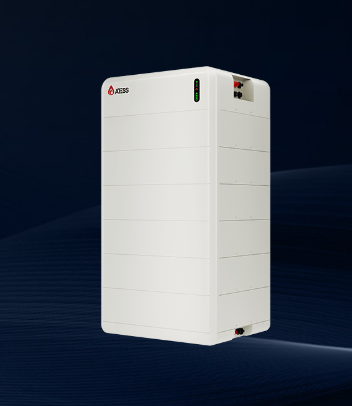
Energy infrastructure requires stable and efficient systems to manage intermittent power generation. As solar and wind energy production fluctuates, facility operators require reliable methods to capture and deploy electricity. By utilizing a battery cabinet, organizations can effectively regulate power flow and maintain operational continuity across various scales of utility and commercial applications.
Enhancing Grid Stability with Modular Solutions
The integration of renewable sources presents specific challenges regarding grid balance and frequency regulation. A battery storage cabinet provides a contained, climate-controlled environment that protects essential components while ensuring high performance. When systems are designed with modularity in mind, they allow for flexible expansion as energy demands grow over time. Atess provides engineering configurations that support these requirements by focusing on thermal management and safety protocols within their hardware design.
Operational Efficiency and Reliability
Effective energy management depends on the durability of the hardware installed at a site. When components are housed in an optimized battery cabinet, the overall lifespan of the energy storage system extends significantly. By maintaining consistent environmental conditions, these units reduce the risk of failure caused by temperature variances or external elements. They work to ensure that stored electricity remains accessible during peak usage intervals, which helps prevent system strain. Atess offers equipment designed for high-density storage, which helps facility managers maximize their available physical space.
Strategic Implementation of Storage Systems
Deploying an integrated battery storage cabinet involves careful planning regarding site logistics and connectivity. Because they function as the core interface between the renewable source and the grid, these systems must communicate accurately with power conversion electronics. Ensuring that all components remain synchronized allows for a smoother transition between charging cycles and discharging events. By focusing on robust construction and reliable monitoring interfaces, these cabinets facilitate consistent energy availability for end users who prioritize technical precision in their energy management setups.
Modern energy grids rely on the systematic deployment of storage infrastructure to manage renewable power. By incorporating specialized cabinets, operators gain the ability to store, control, and distribute electricity with greater precision. This approach supports a stable energy supply by bridging the gap between generation and consumption cycles.