
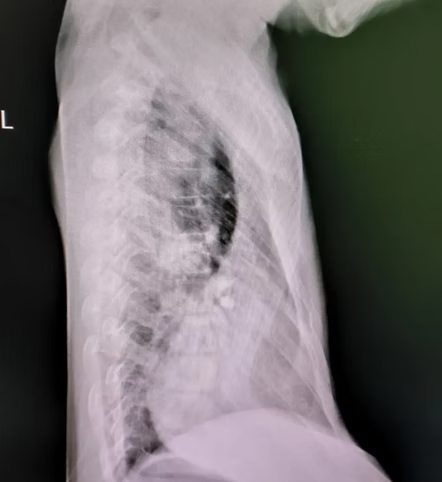
Chest pain is one of the most concerning symptoms for those living with severe pectus excavatum. Pectus excavatum is primarily characterized by an inward depression of the sternum and its connecting costal cartilages and ribs. However, many patients also report localized rib cartilage pain and inflammation, a condition commonly referred to as costochondritis. But is there a direct link between these two conditions?
The Anatomical Connection
Costochondritis is the inflammation of the cartilage that connects a rib to the breastbone, and it can arise from various causes, including infection, trauma, or idiopathic factors. Its occurrence is not necessarily related to pectus excavatum, and not all patients with pectus excavatum develop this condition. In some cases, however, the inward curvature of the chest wall may place abnormal mechanical stress on the costochondral junctions. This chronic pressure and misalignment may contribute to recurring inflammatory symptoms, increasing susceptibility to the sharp, stabbing chest pain accompanied by costochondritis.
Meanwhile, pressure on the heart and lungs can also lead to chest pain, which should be distinguished from costochondritis.
Why Traditional Treatments May Fall Short
Conservative pectus excavatum therapies, such as physical therapy and vacuum bell treatment, are commonly used in clinical practice. Unfortunately, these standard interventions often fail to relieve the recurring costochondritis triggered by chest wall deformity. They are primarily suitable for mild cases and younger patients, and their effectiveness is often limited in more pronounced deformities. In many cases, they function mainly as supportive or adjunctive treatments rather than definitive solutions, meaning some patients may not achieve satisfactory or lasting improvement through these methods alone.
Advanced Solutions at The Institute of Chest Wall Surgery (ICWS)
When chest pain limits a patient’s quality of life, or when there is a need to restore chest appearance, surgical correction is often the most effective long-term solution. The surgical team led by Dr. Wenlin Wang specializes in innovative surgical techniques to address these complex problems:
The Wang Procedure: This technique uses steel wires to lift the depressed sternum and secure it to the shaping bar placed on the chest wall surface, and it is ideal for younger patients. This procedure avoids intrathoracic operation and the associated risk of cardiac injury.
The Wung Procedure: For older adolescents and adults with more rigid chest walls, this optimized version of the Nuss procedure provides superior stability.
Conclusion
Chest pain in patients with pectus excavatum is often multifactorial and requires careful clinical differentiation. A comprehensive evaluation at The Institute of Chest Wall Surgery (ICWS) allows clinicians to assess chest wall structure, pain characteristics, and functional impact together, helping determine whether targeted intervention may improve symptoms and quality of life.