
With the continuous development of power electronics, engineers are paying more attention to component structure, thermal performance, and space utilization in power system design. Traditional transformers may face limitations when equipment requires higher integration levels and smaller dimensions. Planar transformer technology has become an option for many power applications because of its flat structure, controlled design approach, and compatibility with automated assembly processes. A planar transformer manufacturer needs to understand both magnetic performance and application requirements to develop suitable solutions for different industries.
Structural Design Factors Behind Planar Transformer Applications
Planar transformers use a different construction method compared with traditional wound transformers. Instead of relying on conventional wire winding structures, they usually integrate flat copper conductors with magnetic cores to create a compact electromagnetic component. This design allows engineers to optimize the internal structure according to voltage, current, frequency, and installation requirements.
The flat winding structure can help improve consistency during production because conductor layouts are easier to control. For power modules that require repeatable performance across multiple units, structural accuracy is an important consideration. A planar transformer manufacturer generally evaluates electrical characteristics, thermal conditions, and mechanical limitations before selecting suitable materials and design methods.
Another important factor is the relationship between transformer design and system assembly. Planar transformers can support surface mounting or other compact installation methods depending on the product structure. This makes them suitable for applications where PCB space is limited and component integration is an important design goal. Engineers often consider transformer dimensions together with surrounding circuits to achieve better overall system coordination.
How Planar Transformers Fit into Modern Power Electronics
Modern electronic equipment requires power conversion systems that can operate efficiently within limited spaces. Power supplies used in communication equipment, industrial controls, energy systems, and other applications often need components with stable electrical characteristics and suitable thermal management.
In high-frequency power conversion systems, transformer performance is influenced by factors such as core material, winding design, insulation structure, and operating frequency. A carefully designed planar transformer can support high-frequency operation while maintaining a compact profile. This makes the technology valuable for applications that require a balance between size and electrical performance.
The role of a planar transformer manufacturer is not only producing a physical component but also understanding how the transformer interacts with the entire power circuit. Different applications may require different turn ratios, inductance values, mounting methods, and power ratings. Therefore, engineering evaluation is necessary before finalizing a suitable transformer design.
Product Example and Application Considerations
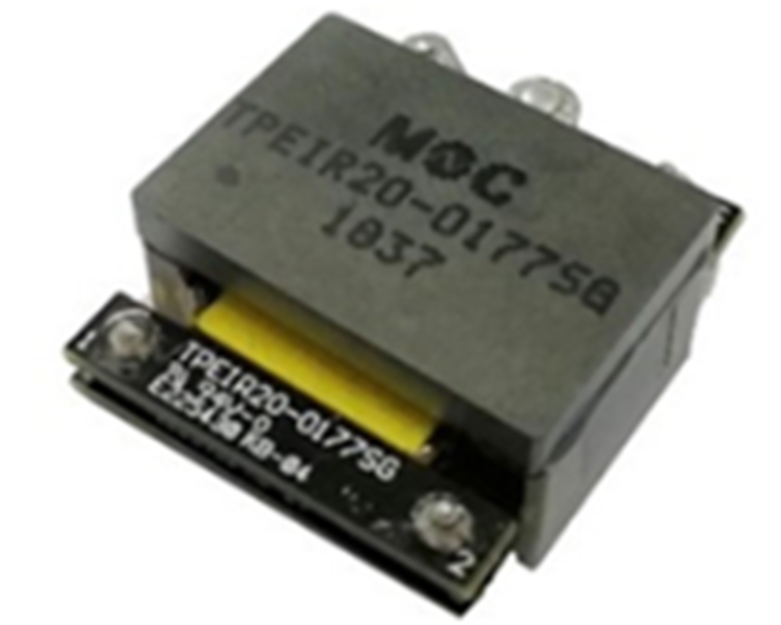
For example, Mentech provides magnetic component solutions that include planar transformer products designed for power-related applications. One example is the TPEIR20-0177SG planar transformer, which uses a Forward topology structure. The product has a rated power of 300W, a turn ratio of 8:2, and dimensions of 212410. It adopts SMT mounting type and features an inductance value of 120uH±10%.
These specifications show how planar transformer products can be designed according to specific circuit requirements. Parameters such as topology, power capacity, turn ratio, and inductance influence how the transformer works within a power conversion system. Engineers need to match these factors with the intended application environment to maintain stable operation.
Beyond individual specifications, production capability and customization experience are also important factors when selecting a supplier. Magnetic components often need to meet different requirements from industries such as power modules, renewable energy equipment, and communication systems. A supplier with technical development experience can better support application-based design discussions.
Manufacturing Process and Quality Considerations
The manufacturing process of planar transformers involves multiple stages, including material selection, core assembly, conductor processing, insulation treatment, and electrical testing. Each stage affects the final performance of the component. Consistent manufacturing processes help maintain product reliability when components are used in larger production projects.
Testing procedures usually focus on electrical parameters, insulation performance, and mechanical structure. For B2B customers, these evaluation steps are important because magnetic components are integrated into complete systems rather than used independently. Clear specifications and controlled production processes help engineers assess compatibility during product development.
As power electronics continue to develop, component manufacturers also need to respond to changes in application requirements. Higher integration levels, smaller equipment designs, and customized power solutions are creating new demands for magnetic components. Companies involved in transformer development need to combine engineering knowledge with manufacturing capabilities.
Conclusion: The Role of Planar Transformer Solutions in Future Power Design
Compact and efficient power system development requires careful selection of every key component. Planar transformers provide a structural approach that supports modern power conversion designs through compact construction and flexible configuration possibilities. Their design can help engineers optimize internal layouts and improve system integration in various electronic applications.
As a planar transformer manufacturer, Mentech focuses on developing magnetic components for different application requirements, including planar transformer products such as TPEIR20-0177SG. Through customized development and manufacturing experience, they support customers in exploring suitable magnetic solutions for power electronics applications. Their technical capabilities allow them to address different design specifications and production needs.