
Modern agriculture is becoming more dependent on accurate positioning technology. From tractor guidance to automated field operations, reliable location data helps agricultural machines complete tasks with better consistency.
Choosing the right positioning equipment requires an understanding of working conditions, communication methods, and system compatibility. A suitable GNSS base station can provide correction data for agricultural receivers and support more accurate positioning in farming environments.
The selection process is not only about technical specifications. Users also need to consider farm size, machine types, installation conditions, and future application plans.
With the development of smart farming, companies such as EFIX provide GNSS solutions that connect positioning technology with agricultural equipment needs. Understanding the basic factors behind GNSS selection can help users make more practical decisions.
The Role of a GNSS Base Station in Modern Agriculture
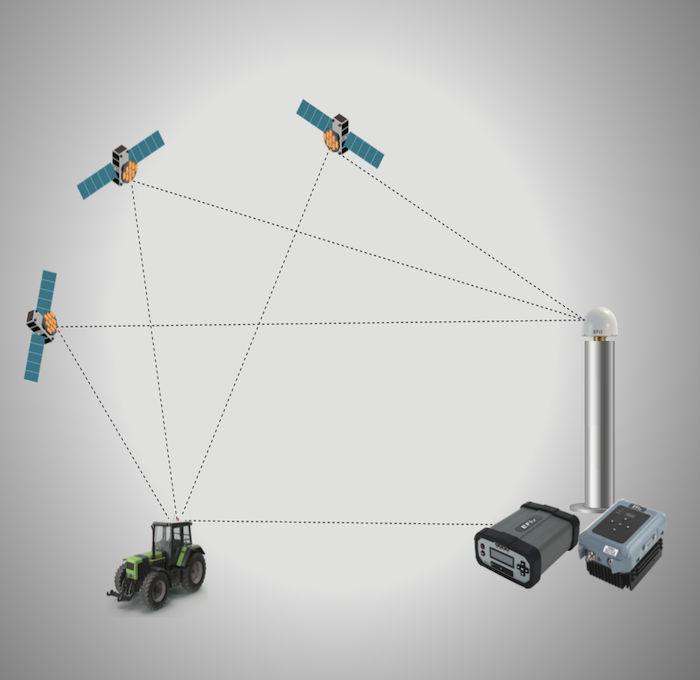
A GNSS base station works as a fixed reference point in a positioning system. It receives satellite signals from multiple navigation systems and calculates correction information based on its known location. This data can then be sent to moving receivers, such as agricultural machinery systems, to improve positioning accuracy.
In farming applications, correction data is commonly used for operations that require accurate movement paths. These operations include planting, fertilizing, spraying, and land preparation. When agricultural machines follow planned routes, operators can manage field tasks in a more organized way.
Before choosing equipment, users should understand how the base station works with other devices. The connection between the reference station, correction service, and vehicle terminal directly affects the overall performance of the positioning system.
Key Points for Selecting the Right GNSS Equipment
One important factor is satellite compatibility. A reliable positioning system should support suitable satellite signals according to the application environment. Different regions may have different satellite conditions, so users need to check whether the equipment matches their operational requirements.
Another factor is correction data transmission. A GNSS system needs a stable method to send correction information to receivers. Depending on the working environment, users may choose solutions based on radio communication, cellular networks, or internet services.
Coverage range is also an important consideration. Small farms and large agricultural areas may have different requirements. Users should evaluate the working distance between the reference station and machines before selecting a solution.
Considering Communication and Data Transmission Methods
Communication methods directly influence how correction information reaches agricultural machines. A stable connection helps maintain continuous data exchange between the fixed station and mobile equipment during field operations.
For example, radio-based communication may be suitable for some local farming environments, while network-based correction services may provide different usage options in areas with available internet connections. The correct choice depends on factors such as operation distance, local infrastructure, and equipment compatibility.
When planning a precision agriculture system, users should also think about future expansion. If additional machines or new applications are added later, flexible communication options can make system adjustments easier.
Evaluating Installation Conditions and Daily Management
The installation location of a GNSS reference device can influence signal reception quality. Open spaces with fewer physical obstacles are usually more suitable because buildings, trees, and other structures may affect satellite visibility.
Power supply and equipment protection are also practical concerns. Agricultural equipment often operates outdoors, so users should understand installation requirements before deployment. Proper placement and regular management can support stable system operation.
In agricultural technology development, EFIX focuses on positioning solutions designed for farming applications. Their F-NET Pro product is a GNSS reference solution that supports correction data services for agricultural positioning systems. It is designed to work with related agricultural equipment and help provide positioning support for field operations.
Matching GNSS Solutions with Application Requirements
Different users may have different priorities when selecting positioning equipment. Agricultural machinery manufacturers may focus on integration options, while farm operators may pay more attention to operation processes and equipment management.
A suitable positioning solution should match the actual application instead of only looking at individual technical parameters. Users should evaluate machine models, field conditions, correction requirements, and system connections together.
GNSS technology is often combined with automatic steering systems and digital farming tools. This combination allows agricultural machines to receive positioning information and follow designed routes during different field activities.
Conclusion
Selecting a suitable GNSS base station requires careful evaluation of technical functions and practical conditions. Users need to consider positioning accuracy requirements, communication methods, installation environments, and compatibility with existing agricultural systems.
As smart agriculture continues to develop, positioning technology plays an important role in improving the management of agricultural operations. A properly selected GNSS solution can support more organized workflows and provide useful data for precision farming applications.
With experience in agricultural positioning solutions, EFIX continues to develop products that support modern farming needs. By understanding the relationship between GNSS equipment and agricultural operations, users can choose solutions that better fit their working environments and long-term plans.